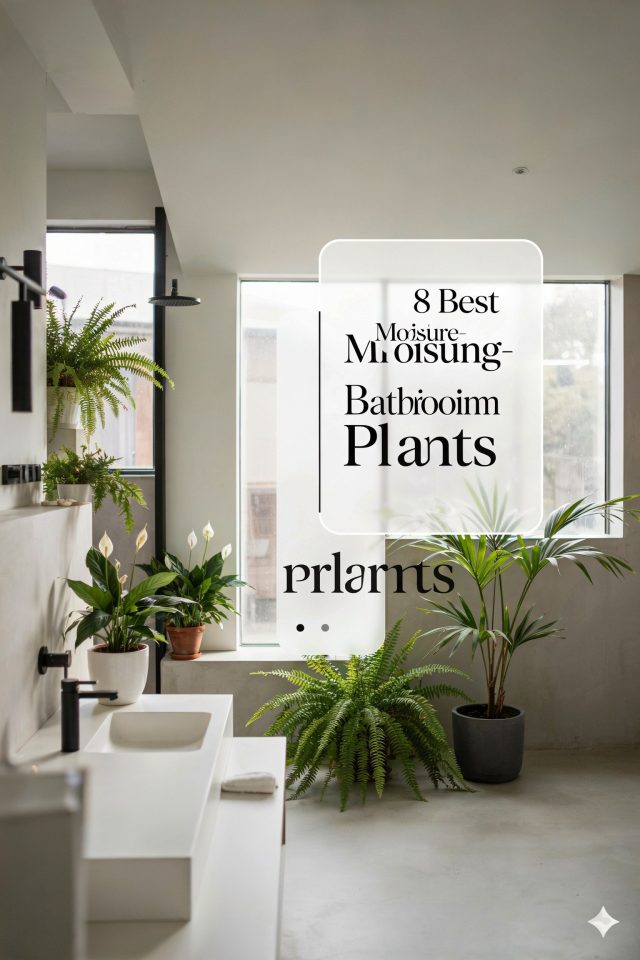
If you have a small half bath, you know that feeling of stepping into a space that can get stuffy and damp after a shower or humid day. I have been there myself, trying to figure out how to make a tiny guest bathroom feel fresh without spending a fortune. The good news is that adding moisture-absorbing bathroom plants to your small half bath for a fresh look that fights dampness is actually one of the simplest and most affordable decor tricks I have found. These humidity-loving houseplants do not need a lot of sunlight, they handle steamy conditions like champions, and they naturally help balance the moisture in the air. Best of all, you can get started with just a few dollars and a trip to your local nursery or even a cutting from a friend.
Why a Small Half Bath Needs Humidity Help and What Plants Can Do
A half bath is usually the smallest room in the house, often with little or no window. That means the moisture from a sink, a quick shower, or just daily use tends to hang around longer than you want. You might notice a musty smell, foggy mirrors, or even condensation on the walls. Instead of reaching for an expensive dehumidifier or harsh chemical sprays, you can bring in a few low-light plants that soak up that extra moisture through their leaves.
Plants like Boston ferns, pothos, and snake plants have evolved to thrive in humid environments. Their roots and leaves take in water vapor from the air, which they use for growth. In return, they help lower the relative humidity in a small room. That means less mold risk, fewer damp odors, and a much nicer space to use. And because these plants are some of the cheapest and easiest to find, you can create a whole collection for under twenty bucks.
The Best Budget-Friendly Moisture Absorbing Plants That Love Low Light
Not every houseplant can handle the low light and high humidity of a tiny half bath. But these five options are proven winners, and they cost very little to buy or propagate.
- Snake plant (Sansevieria) – Very hardy, tolerates almost no light, and it absorbs moisture through its leaves. You can often find small pots for under five dollars.
- Boston fern – A classic humidity lover. It drinks up moisture and looks lush. Buy a small one and let it grow; it will fill the space over time.
- Pothos (Epipremnum aureum) – The easiest plant to keep alive. It grows in water or soil, and you can take cuttings from a friend for free. It thrives in steamy bathrooms.
- Spider plant (Chlorophytum comosum) – Super resilient and produces baby plants (spiderettes) that you can pot up for free. It loves humidity and cleans the air.
- Peace lily (Spathiphyllum) – Very affordable, often sold in grocery stores. It loves moisture and will droop dramatically to tell you when it needs water, but in a humid bathroom it usually stays happy.
All of these plants do well with indirect light or even fluorescent lights. That makes them perfect for a windowless half bath. I have kept a snake plant in my own interior bathroom for years, and it only needs a splash of water every two weeks.
How to Choose Low-Light Plants for a Windowless Bathroom on a Tiny Budget
If your half bath has no window at all, you might worry that plants will just die. But many moisture-absorbing plants are actually fine with artificial light. A simple LED bulb in the ceiling fixture provides enough for a snake plant or pothos to survive. For ferns and peace lilies, you might want to place them near the light source or rotate them every month.
The trick is to start small. Buy a single plant in a 4-inch nursery pot. That usually costs three to six dollars. Then watch how it does for a few weeks. If the leaves stay green and perk up, you can add another. If they start to pale, move the pot closer to the light. You can also put a small mirror behind the plant to reflect more light onto it. That costs nothing and helps a lot.
Affordable Care Tips for Your Humidity-Loving Houseplants in a Compact Bathroom
Taking care of these plants does not require fancy supplies or expensive fertilizers. Here is what I have learned from keeping mine in a tiny half bath.
- Water only when the soil feels dry – Overwatering is the biggest killer, even in a humid space. Stick your finger an inch into the soil. If it is damp, wait a few more days.
- Use tap water that has sat out overnight – Let the chlorine evaporate. That is free and helps peace lilies avoid brown tips.
- Mist the leaves occasionally – A simple spray bottle with tap water does the job. It mimics the humidity the plants love, but in a half bath that already has steam, you might only need to mist once a week.
- Group plants together for a mini microclimate – Place two or three pots on a small shelf or counter. They release moisture into the air around them, making each other happier.
- Fertilize very rarely – A cheap liquid houseplant fertilizer once in spring and once in summer is plenty. Too much fertilizer can burn the roots and harm the plant.
I also recommend wiping the leaves with a damp cloth every month to keep dust off. That helps them absorb more moisture and stay healthy. It takes about two minutes.
Styling Your Small Half Bath with Plants Without Spending Much Money
You do not need fancy pots to make a plant look good. I have used thrifted teacups, old mason jars, and even a chipped soup bowl as planters. Just make sure there is a drainage hole or a layer of pebbles at the bottom so the roots do not sit in water. For a polished look, paint a few mismatched pots the same color. A can of spray paint costs a couple of dollars, and suddenly all your plants look intentional.
Think vertical. In a small half bath, floor space is precious. Hang a pothos from a simple hook on the wall or set a small shelf above the toilet. You can also place a trailing plant on top of the medicine cabinet. The vines will grow down and soften the space. A small Boston fern on a windowsill or a corner floor stand adds height without crowding the room. The idea is to use the air space, not the floor.
Common Mistakes People Make When Using Plants to Absorb Bathroom Moisture
I have made plenty of mistakes myself, so let me help you avoid them.
- Choosing the wrong plant – Cacti and succulents hate high humidity. They will rot in a steamy half bath. Stick to the five I listed.
- Putting plants in direct hot water spray – If your half bath has a shower, keep plants away from the direct stream. The hot water can cook the leaves.
- Forgetting to check for mold on the soil – In very damp spots, the top layer of soil can grow mold. Just scrape it off and let the soil dry out a bit. You can also sprinkle cinnamon on top, which is a natural antifungal and smells nice.
- Expecting plants to solve severe mold problems – Plants help reduce humidity, but they cannot fix a leaky pipe or poor ventilation. Fix the root cause first, then use plants as a natural helper.
I also learned the hard way not to overwater. In a humid bathroom, the soil stays moist longer. You might only need to water your snake plant once a month. Less is more.
Quick Care Reference for Your Half Bath Plant Collection
If you want a fast reminder of what each plant needs, here is a simple list you can keep in your phone.
- Snake plant – Water every 3 to 4 weeks. Low light is fine. Very forgiving.
- Boston fern – Keep soil slightly damp but not soggy. Mist leaves weekly. Needs a bit more light than snake plant.
- Pothos – Water when leaves start to droop. Can live in almost any light. Grows fast, trim back to shape.
- Spider plant – Water when top inch of soil is dry. Likes bright indirect light but tolerates low light.
- Peace lily – Water when leaves droop. Needs moderate light to bloom, but it will survive in low light.
I keep my peace lily in a tiny half bath that gets no natural light, and it has not bloomed in two years, but the leaves are still green and healthy. That is good enough for me.
Adding moisture-absorbing bathroom plants to your small half bath is one of those small changes that makes a big difference. You get a natural, fresh look, you fight dampness without spending much money, and you get to enjoy a little bit of green in a room that often feels forgotten. Start with one plant from the list above, see how it works for your space, and then add more as you go. Half the fun is watching them grow and finding creative spots for them. If you have a friend with a pothos or spider plant, ask for a cutting or a baby plant. That way your bathroom makeover costs almost nothing. Happy planting, and enjoy your fresher, less damp little room.
#MoistureAbsorbingPlants #BathroomPlants #HalfBathIdeas #HumidityLovingPlants #IndoorPlants